Are you Ski Ready?? Get “Ski Fit” before your holiday and reduce the risk of injury

So, the skiing season is nearly upon us and as you are preparing your suitcase essentials – looking out your ski wear from the back of the cupboards, cursing because you can’t find one of your ski gloves and your favourite thermal top has a moth eaten hole in it – what you should REALLY be preparing is your body…
Skiing injuries account for up to 80% of all snow sport injuries. 30% of these injuries are likely to involve the knee, with ligament injuries being the most common. Snowboard injuries are much more likely to involve the upper limbs. However, the risk of injury whilst on the mountain can be greatly reduced if your body is in good physical fitness and condition before you go. You need to bear in mind that training must be specific to muscle function and activity, so hammering the running every day, whilst improving general cardio fitness, will by no means prepare your body for the gruelling sessions on the slopes.
Key areas to focus on when preparing for skiing (or indeed snowboarding!) are the core stability muscles, gluteal muscles, and leg muscles. The complex interactions between your upper body and lower body are also key to maintaining balance and co-ordination whilst zooming down the slopes…!
Abi Okell (our new physio) is somewhat of a skiing expert, and together we have created a “Ski Fit” programme that can be done at home each day in the months/weeks leading up to your skiing break. It is important to improve your cardio fitness alongside these specific exercises (running is absolutely fine!), but essentially what you need is a fine balance of all the elements in your training to reduce the risk of injury. Try to cover all the key area of muscle strength/endurance, cardiovascular endurance and flexibility. Remember – ‘Fail to prepare, prepare to fail!’
So how can physiotherapy help me?
There are several ways we can help out here at CoActive Physio….
Previous injuries – We are happy to discuss previous injuries that may be holding you back, and help you manage them better, or maybe give you the confidence you need to know that it is safe to ski again.
Chronic conditions – We can give you self-management advice to help get the most out of the holiday and stop those pesky chronic problems slowing you down. Coming along to Pilates classes can help improve core strength, balance, and movement control, improving your performance on the slopes.
Acute injury management – If you injure yourself whilst away, it is important to get it assessed as soon as possible. Early management of acute injuries has been shown to improve recovery and aid return to sport.
Sports massage – Often when we begin a new training regime we are prone to more muscle ache and soreness. Sports massage can aid recovery and help you maintain a good training regime. Following your holiday, you may just feel your legs need a bit of a refresh after an active week in the mountains!
If you would like a 1-2-1 assessment/physiotherapy session to help you prepare for your ski holiday, then contact the clinic and either myself or Abi will be more than happy to assist! We also have KT Chaloner’s fantastic team of personal trainers on site (as we are based in KT’s exclusive studio), so lots of experts on hand to help!
The following exercises are a few examples of specific training that will help with injury prevention when skiing. Please note that if you do have any pre-existing pain/injury it would be wise to see a physiotherapist first before you try any exercises. All exercises must be pain free – if you experience any pain whilst exercising then you must stop immediately. Also make sure you include a good warm up before exercising and an effective stretching regime after exercising!
Happy Snow Holidays!!
Sarah x
‘Ski Fit’ – daily exercises- strength work
- Squats
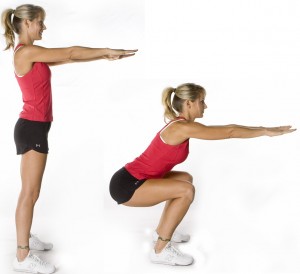
Stand with your feet shoulder width apart and your toes pointing slightly outwards. Slowly bend at the ankle, knee and hip and lower yourself until your thighs are at a 45 degree angle to the floor. Keep your back straight and your shoulders over your toes. Slowly rise up until you are back in the standing start position. You should be balanced and steady throughout this movement. Repeat the movement 8 to 12 times. This exercise works the quadriceps, hamstrings, calves and lower back. To make this exercise harder, squat down as low as you can go whilst remaining balanced, and ensuring your knees do not go in front of your toes.
- Lunges
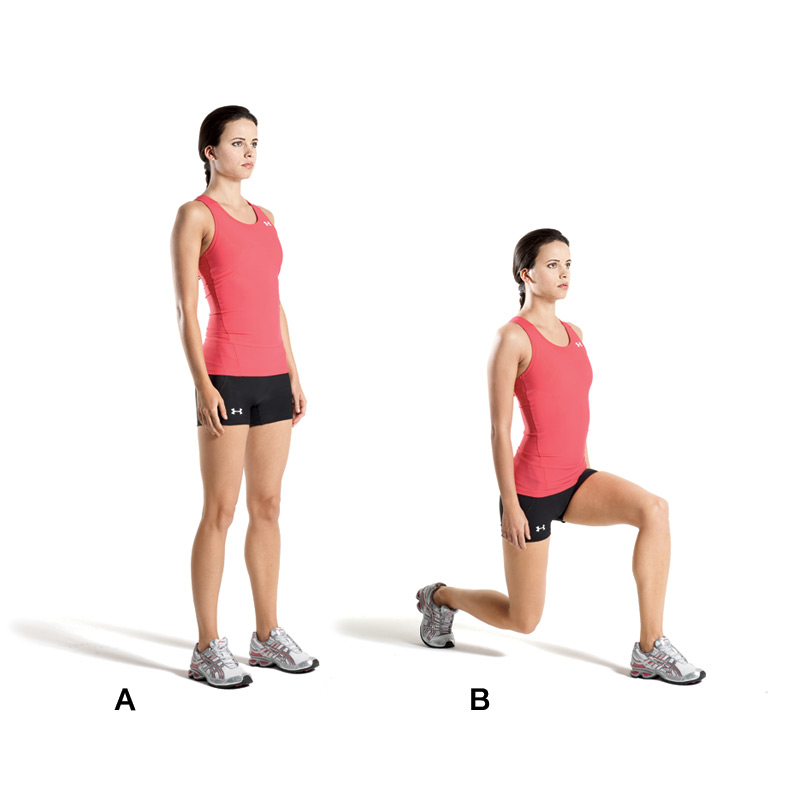
Stand with your feet shoulder width apart. Step forward 2 to 3 feet with your right foot. The heel of your left foot will be off the ground. From this starting position, slowly lower your body so your left knee drops towards the floor. Once you are as low as feels comfortable, slowly push up and return to the starting position. Keep your back straight and eyes straight ahead while doing this exercise. Repeat the movement 8 to 12 times per leg. Switch legs and repeat the entire exercise. This exercise strengthens the quadriceps, hamstrings and gluteal muscles. To make the exercise harder, you can hold dumbbells in both hands.
- Lunges with rotation

In the lunge position, engage your deep core muscles and, holding arms in front of you (with or without weights), twist your body to the side of the forward lunge leg. Return to centre, return to start position. Repeat, leading with the other leg into lunge and rotate your upper body to the side of the leading leg. Increase endurance by doing increasing number of repetitions of the rotations whilst holding the steady lunge position. This exercise works your core and obliques as well as the leg and hip muscles. Repeat 8-12 times on each side.
- Bridging
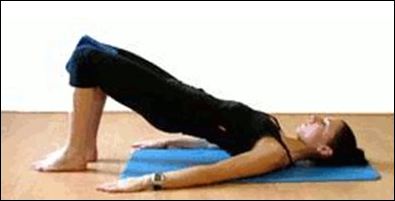
Start laying on the mat with feet flat on the floor. Engage your deep core muscles and gently raise your pelvis up off the floor, following with your spine until you are resting on your shoulder blades. Feel your gluteal muscles engaging. Hold, then gently return back to the start position. This will strengthen your back and hip extensors. Repeat 8-12 times.
- Hamstring curls with swiss ball
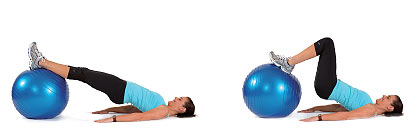
Lay on your back on the floor with your feet on a Swiss ball. Tense your core muscles to maintain good posture and to not strain the back, raise your bum from the floor . Pull the legs into the bum by rolling the ball while keeping the hips raised . And straighten again. Repeat 8 to 12 times. To make the exercise more difficult, you can raise your arms so they are above the head. This means less stability making the exercise harder. This exercise is a good workout for your core and back extensors as well as glutes and hamstrings.
- Side planks
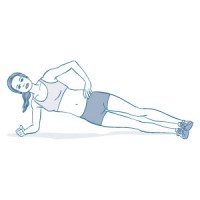
Start in a plank position, keeping the body straight. Turn your body to the side so you are on one arm, facing sideways in side plank. Hold this position for 30 seconds. Return to centre plank and repeat on the other side. Increase the length of time to make it more difficult. The side plank primarily works muscles in your core. It strengthens abdominal and back muscles, particularly the transversus abdominis, rectus abdominis, obliques and quadratus lumborum. It also targets the gluteus medius and gluteus minimus in the hips, as well as the adductor muscles located in the inner thigh. The side plank also works several other muscles that provide additional stability as you hold the position. These muscles include the gluteus maximus, the quadriceps on the front of your thighs and the hamstrings on the back of your thighs.
- Proprioception and trunk stability– the single leg Romanian dead lift
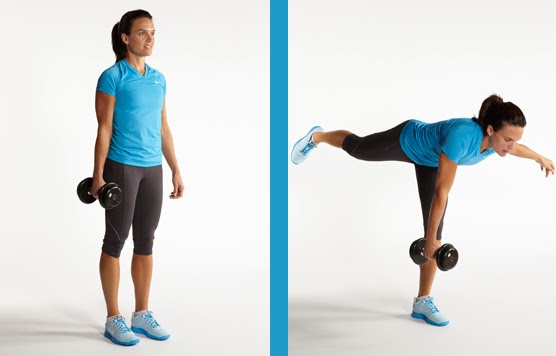
Start in standing, with a light dumbbell in your right hand. Look straight ahead and keep your core engaged. Gently start to take your right leg out behind you as you bend forward through the right hip and let the weight arm drop down in front of you. Keep your deep core switched on and your pelvis level/steady. Hold, and then with control return to the start position. Repeat on both sides 8-12 times. The single-leg Romanian deadlift strengthens the posterior chain. The gluteus muscles, hamstrings and adductor magnus are strengthened dynamically while synergistically working together to extend the hips. The lower back extensors function as stabilisers and are strengthened isometrically.
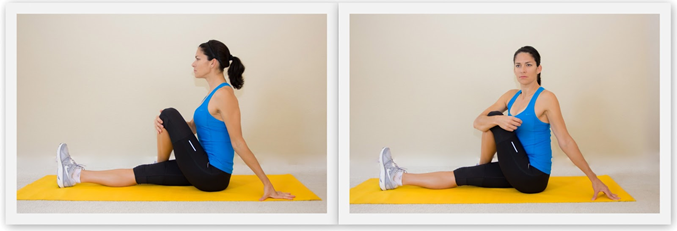
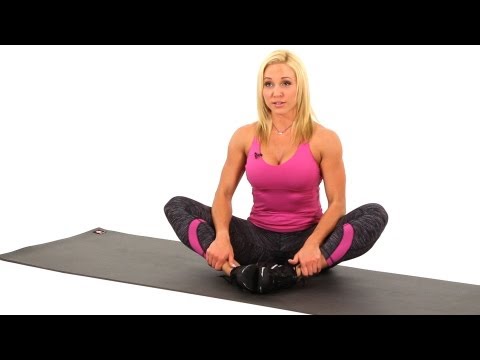
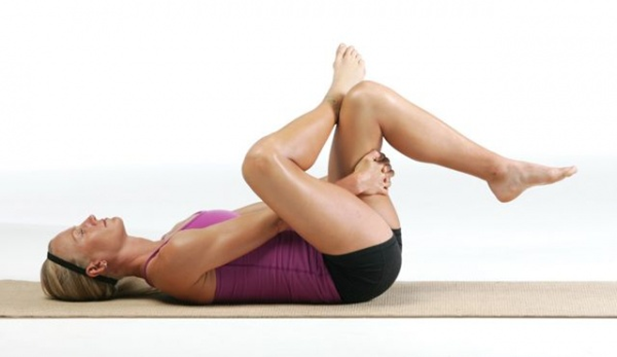
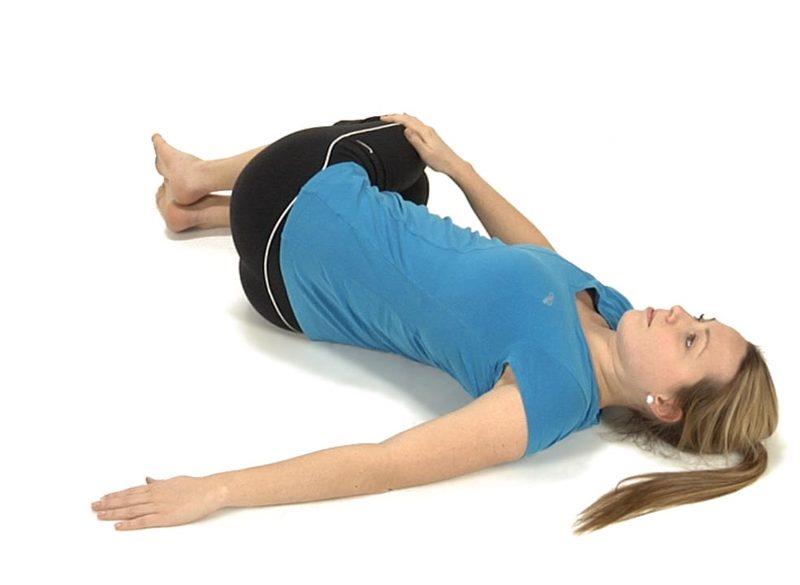
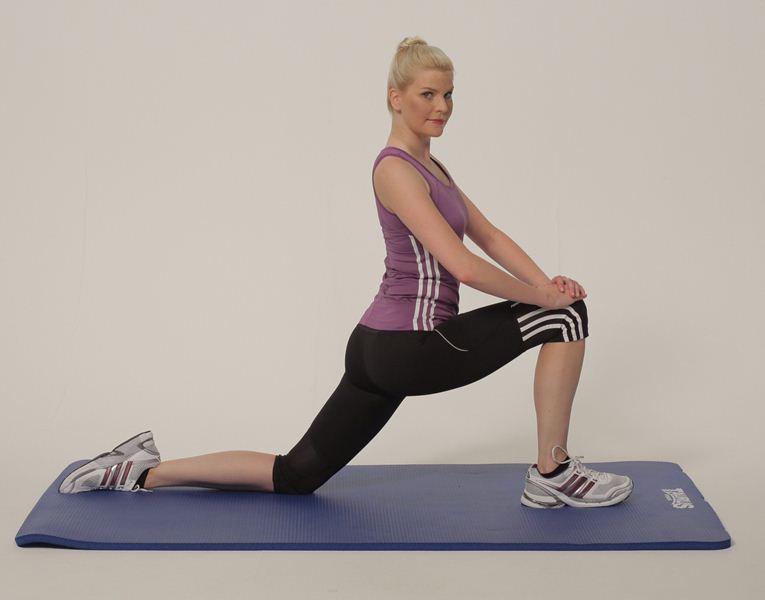
Flexibility: below are a few stretches to get you ski-ready!! Hold each stretch for 30seconds